
Navigating the Q2 Freight Squeeze: How Inflation is Reshaping the FTL Freight Market
With inflation persistently high, the Full Truckload (FTL) market is witnessing unprecedented shifts, making it essential for shippers to adapt and find alternative solutions to manage their transportation costs effectively.
 The Inflation Paradox: Why Rates are Spiking
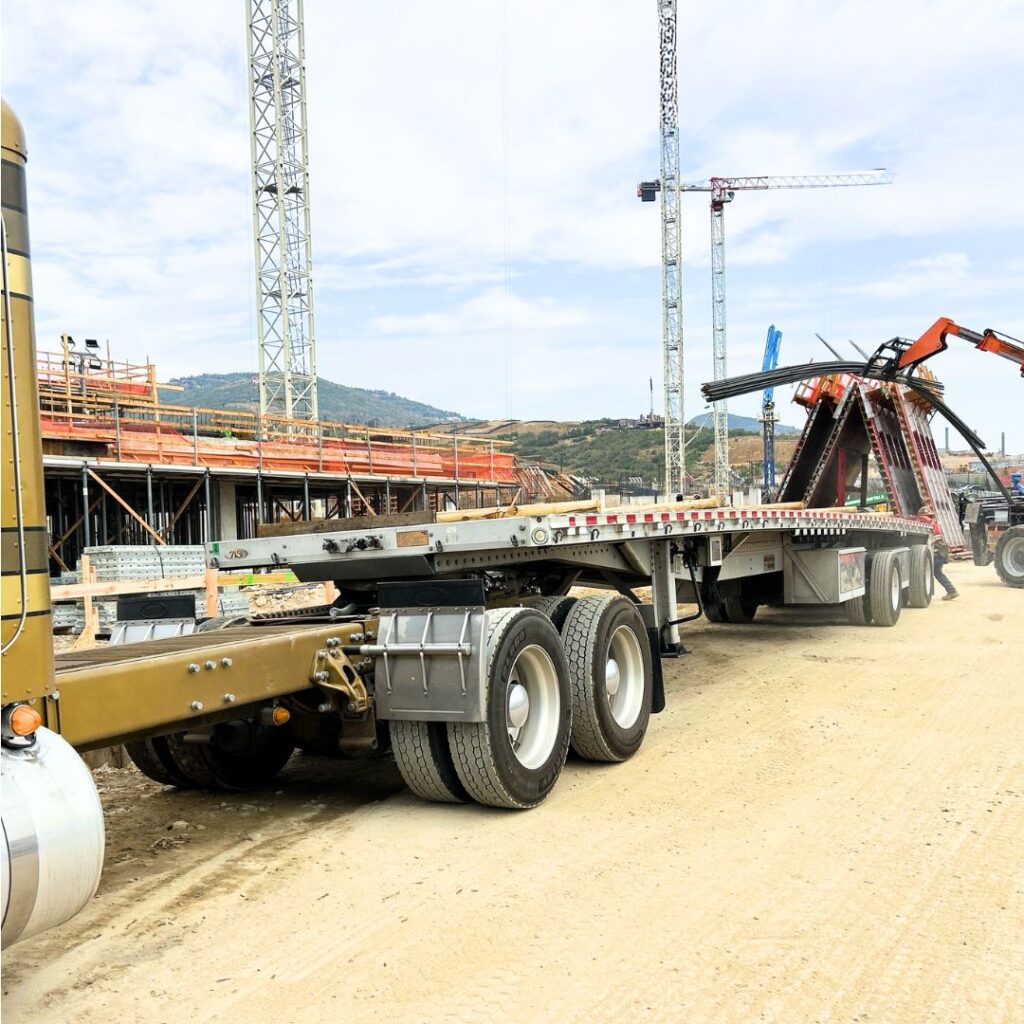
The current FTL rate spike, standing at approximately 40% year-over-year, defies conventional logic. Typically, as consumer confidence drops and discretionary spending decreases, freight volumes would decline, leading to lower rates. However, this is not the case in Q2 2026. Instead, shippers are prioritizing reliability over cost savings, driving up rates due to the reduced capacity pool.
Shippers are now focusing on top-tier carriers, narrowing their routing guides to ensure on-time delivery and minimize supply chain disruptions. This shift in priorities has effectively reduced the available capacity, contributing to the unprecedented rate increases.
Modal Shifts: Trading Time for Cost Savings
As FTL prices remain high, logistics managers are reevaluating their strategies to mitigate costs. One effective approach is to trade transit speed for cost efficiency by utilizing intermodal transportation.
According to recent data, intermodal volumes are on the rise, with domestic intermodal volumes increasing by 14% year-over-year and international container freight on rail jumping by 8%. By shifting freight from over-the-road trucks to rail networks, companies can intentionally extend transit timelines, allowing them to avoid premium FTL rates and protect their profit margins.
- Domestic intermodal volumes are up 14% year-over-year.
- International container freight on rail has jumped 8%.
How Other Modes are Holding Up
While FTL and intermodal are experiencing significant changes, the rest of the transportation landscape is showing a mix of stability and transition.
- Less-Than-Truckload (LTL): LTL has remained a relatively stable option for shippers. Carriers are currently busy integrating networks and adjusting their pricing structures, but LTL has not seen the same level of price shocks as FTL.
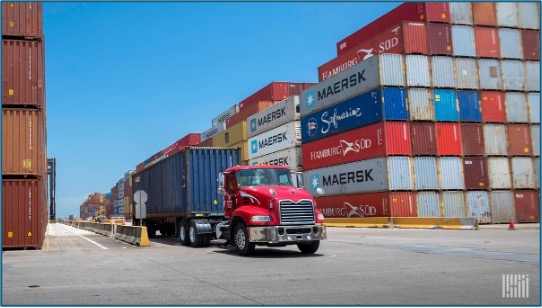
- Drayage: Drayage volumes are holding steady compared to previous years. There is no frantic, expedited offloading at the ports, and the flow of import replenishment is manageable.
- Parcel and Last-Mile: This space is undergoing a massive structural shakeup. Major multi-billion-dollar routing partnerships between national postal networks and mega-logistics providers are reshaping final-mile delivery. Shippers should closely monitor this space as carriers try to protect their margins by optimizing delivery density.
The Bottom Line for Shippers
Shippers waiting for the FTL market to naturally cool down or for inflation to vanish may be waiting a while. The reality of Q2 2026 is that managing transportation costs requires tactical flexibility.
Success in this environment is not about finding cheap truck capacity; it’s about optimizing how and when freight is moved. Diversifying the modal mix, embracing intermodal for non-urgent shipments, and locking in relationships with reliable carriers are the best bets for keeping supply chain costs under control.